The 911 Turbo
The flexible one
- It could still be ordered with a manual gearbox. Those cars are extremely rare today and fetch enthusiast prices
- Technically it already offers everything you need, including optional PTV (torque vectoring)
Home/Buyer's Guides/997.2 Turbo & Turbo S
The perfectionist · 2009-2013The first modern supercar: weak points, prices, technical checks and checklist. So you can check condition, history and turbochargers in advance.
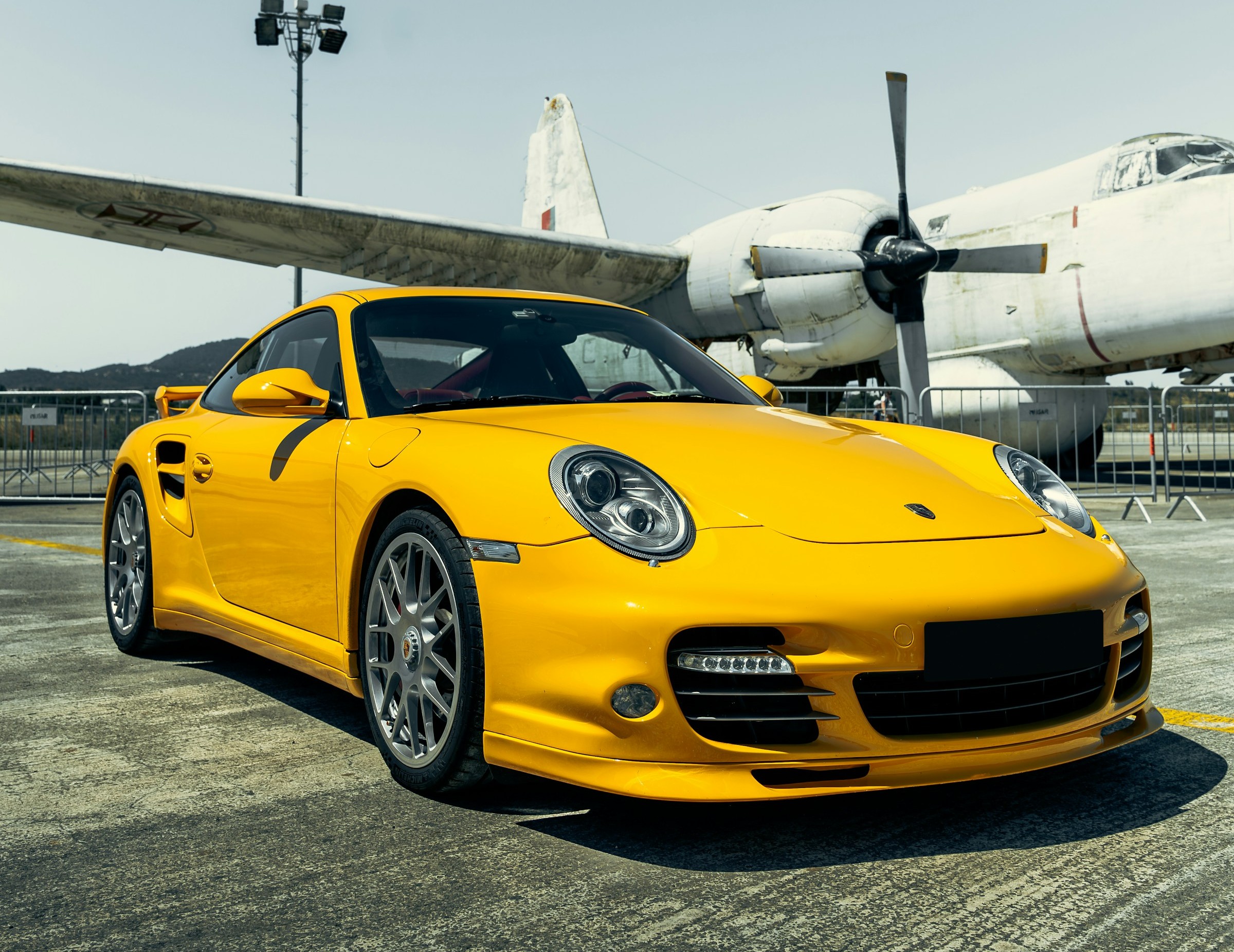
With the facelift (997.2), Porsche made a clean break on the Turbo: the legendary Mezger engine was retired, replaced by the entirely new 3.8-litre direct-injection unit (MA1.70). The result? 500 PS, lower consumption and an unprecedented level of everyday usability.
At the same time the dual-clutch transmission (PDK) arrived, lifting performance to a new level. Anyone looking for the ultimate package chose the Turbo S: 530 PS and a full specification from the factory. Particularly interesting for investors: the extremely rare manuals of the standard Turbo.
Turbo, DFI engine MA1.70
Turbo S, 700 Nm as standard
0-100 km/h (Turbo S)
7-speed, Turbo also manual
| Feature | 911 Turbo | 911 Turbo S |
|---|---|---|
| Power | 500 PS (368 kW) | 530 PS (390 kW) |
| Torque | 650 Nm (700 Nm on overboost) | 700 Nm (standard) |
| Transmission | 6-speed manual / 7-speed PDK | 7-speed PDK only |
| Equipment | Extensive | Full specification: PCCB, centre lock, Sport Chrono, PTV, dynamic cornering lights |
| 0-100 km/h | 3.4 s (PDK) | 3.3 s |
The flexible one
The flagship
The move to DFI brought reliability, but new challenges.
The new 3.8-litre block is regarded as extremely durable. The Mezger problem of bonded coolant pipe stubs no longer exists here. Bore scoring is extremely rare on the Turbo (a different alloy and cooling from the naturally aspirated engine).
PDK (7-speed): extremely fast and efficient. But: it is a highly complex assembly. Faults in the mechatronic unit, the sensors or the clutch packs are very expensive. A replacement transmission costs more than €15,000. A regular oil change is essential.
Manual (6-speed): available only in the standard Turbo. The gearbox is very robust (derived from the GT3). The clutch is a wear part, but cheaper to replace than the PDK.
250 to 600 pages of expert knowledge (depending on the edition) on the 997.2 Turbo and Turbo S: detailed weak points, engine codes, specification details, inspection checklists, production figures, value-enhancing options and price forecasts.
The 997.2 Turbo is reliable, but the high-tech components come at a price.
| Work / fault | Approx. cost (€) | Note |
|---|---|---|
| PDK transmission (replacement) | 10,000 - 15,000 and more | With a total failure of the mechatronics unit |
| PCCB brake discs (per axle) | 5,000 and more | Parts only. |
| VTG turbocharger (replacement) | 2,500 - 5,000 and more | Per turbocharger, fitting included |
| High-pressure fuel pump (HPFP) | 1,500 - 3,000 | Replacement |
| Major service (PDK) | 1,800 - 2,500 | Every 60,000 km |
| LED rear light (each) | 500 - 800 | If it fails |
| Tyres (set, 19-inch) | 1,200 - 1,800 | N-rating recommended |
The 997.2 Turbo is more expensive than its predecessor, but also more modern.
| Model / condition | Price range |
|---|---|
| Turbo (2010, more than 100,000 km) | €85,000 - €90,000 |
| Turbo, well kept (under 100,000 km) | €90,000 - €115,000 |
| Turbo S, well kept | €110,000 - €140,000 |
| Turbo manual | An enthusiast premium is possible |
The 997.2 Turbo is the perfect everyday supercar. Technically mature, brutally fast and stable in value. Risk check: Pay meticulous attention to the condition of the PCCB brakes and to how the PDK works. Those two items can add €20,000 to the purchase price after the event.
The listing, the paperwork and the price checked against real market data before you travel to view the car. A PDF dossier, usually within 24 h.
€199 incl. VAT · fixed price Assessment Level 2 · remoteDigital Audit plus follow-up questions, dealer answers, paperwork and a negotiating strategy, through to a clear buying decision.
€499 incl. VAT · audit included Assessment Level 3 · on siteA physical assessment where the car is: paint measurement, diagnostic readout, technical check, test drive and a negotiation brief.
from €790 incl. VAT · plus travelDo you already own a 911 from this model series? The Vehicle Documentation & Market Valuation puts the history, the paperwork and the market value of your car in order (€249 incl. VAT). Still looking? Then the right route is the Sourcing Enquire and name the model: Request a Digital Audit for a car from this model series.