The start (1978-79)
180 PS (132 kW)
- A solid basis, laid out for regular fuel (compression 8.5:1)
- The successor to the Carrera 3.0
- Take care: early cars often used Dilavar head studs, which can break
- Conversion to steel head studs is a plus
Home/Buyer's Guides/G-Series SC models
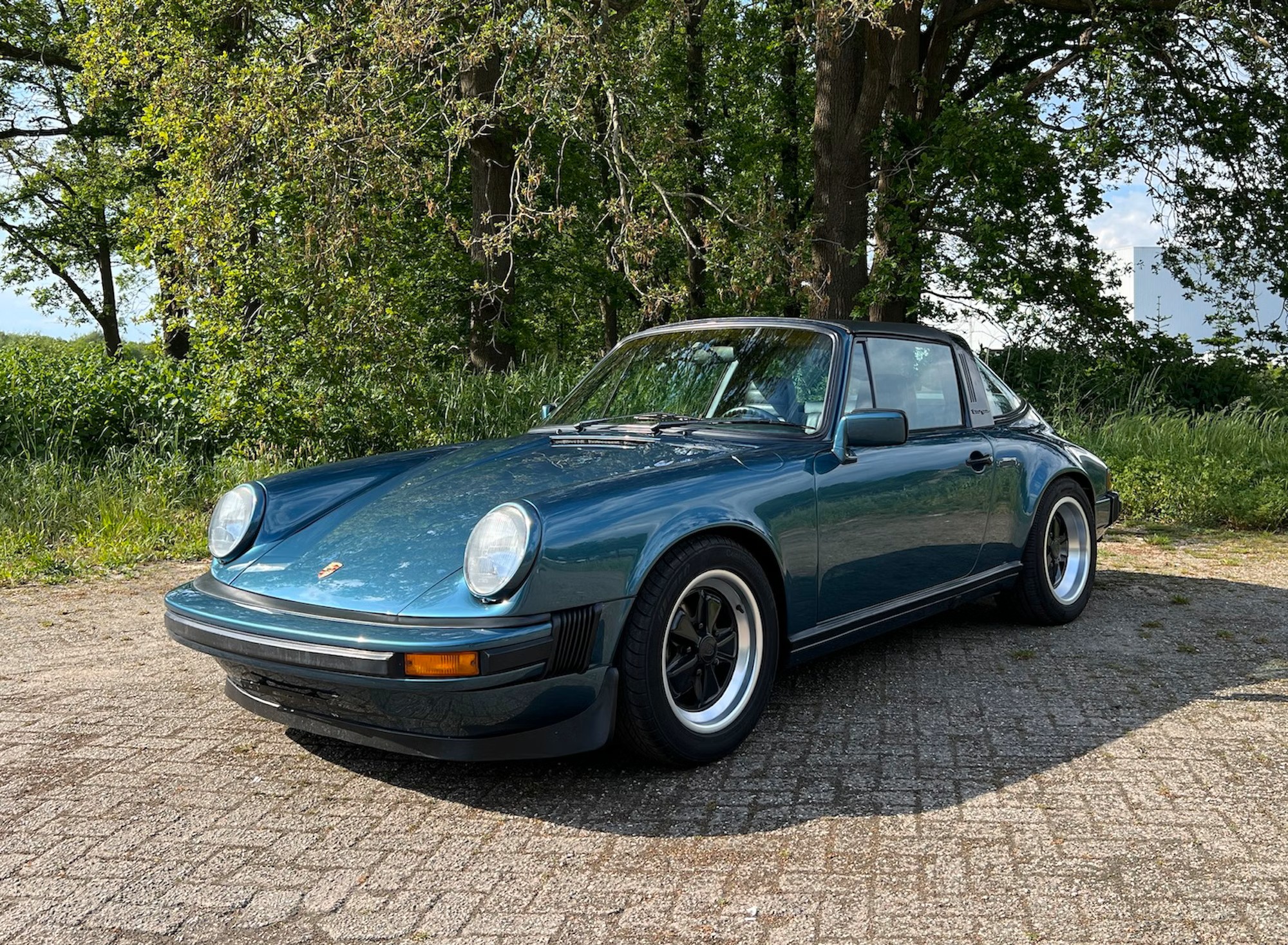
The "Super Carrera" · 1978-1983The robust classic: this buyer's guide takes you through the model years, the engineering and the cost traps of this milestone. So you can recognise a good car and avoid buying the wrong one.
The 911 SC ("Super Carrera") marked an era of consolidation. Originally planned as the last 911, its success secured the survival of the model line. It combines the classic feel with massively improved robustness: a fully galvanised body and a 3.0-litre aluminium engine.
From the early 180 PS car to the coveted 204 PS top model and the first true Cabriolet: the SC is today the ideal way into the air-cooled world. But there are traps here too, such as Dilavar head studs and the K-Jetronic.
3.0L aluminium case, K-Jetronic
A robust aluminium flat six
The debut of the first SC Cabriolet
A fully galvanised body
Every SC uses the robust 3.0L aluminium case with K-Jetronic. But the power rose steadily.
180 PS (132 kW)
188 PS (138 kW)
204 PS (150 kW)
The debut model
Click the sections to read the full information.
The a fully galvanised body is the greatest advantage of the SC. Even so, after 40 years corrosion is an issue.
Critical areas:
The 3.0-litre engine (aluminium) is regarded as bulletproof. Mileages of more than 200,000 km are normal.
Weak points:
The standard fitment was the five-speed type 915. More robust than its predecessor, but with quirks.
Suspension: Torsion bars. The rubber bushes age. Replacing them with new parts or polyurethane bushes improves the precision enormously. Check the dampers (Bilstein/Koni).
Brakes: A solid system. The callipers can seize (overhaul: €150 each). The lines corrode. Change the brake fluid every two years.
Interior: The seats (cloth, leather, Pascha) wear on the bolsters. The dashboards crack (sunlight). Targa roofs shrink (expensive trimming work).
Electrics:
Concentrated expert knowledge on the 911 SC: detailed weak points, inspection checklists, marks of originality, value-enhancing options and price forecasts.
Realistic prices for work at specialist workshops.
| Work / component | Scope | Estimated cost |
|---|---|---|
| Renew the head studs | After a break (partial strip-down) | €3,000 - €6,000 |
| Engine rebuild (complete) | Depending on wear | €10,000 - €20,000 |
| Chain tensioner upgrade | To the Carrera tensioners | €800 - €1,200 |
| K-Jetronic overhaul | Fuel distributor/regulator | €500 - €2,000 |
| Work / component | Scope | Estimated cost |
|---|---|---|
| Gearbox overhaul (915) | Synchromesh rings | €2,500 - €5,000 |
| Clutch replacement | Fitting included | €1,000 - €1,800 |
| Heat exchangers (stainless steel) | Pair plus fitting | €1,500 - €3,000 |
| Restore the Targa roof | Covering/seals | €1,000 - €2,500 |
The SC holds its value and is popular. Coupés and 204 PS cars lead on price.
| Model | Good (condition grade 2) | Top (condition grade 1) |
|---|---|---|
| SC Coupé (204 PS) | €70,000 - €95,000 | €95,000 - €120,000+ |
| SC Coupé (180/188 PS) | €60,000 - €80,000 | €80,000 - €100,000 |
| SC Targa | €55,000 - €85,000 | Often 5-10% cheaper than the Coupés |
| SC Cabriolet | €75,000 - €100,000 | €90,000 - €130,000 |
The SC is the everyman among classic 911s: robust, reliable and fun.
Buying tip: Look for a 204 PS car (from 1981). It offers the best performance and no longer has the Dilavar problem from the factory. A pre-purchase inspection is essential, to rule out hidden corrosion or engine wear.
The listing, the paperwork and the price checked against real market data before you travel to view the car. A PDF dossier, usually within 24 h.
€199 incl. VAT · fixed price Assessment Level 2 · remoteDigital Audit plus follow-up questions, dealer answers, paperwork and a negotiating strategy, through to a clear buying decision.
€499 incl. VAT · audit included Assessment Level 3 · on siteA physical assessment where the car is: paint measurement, diagnostic readout, technical check, test drive and a negotiation brief.
from €790 incl. VAT · plus travelAlready own a Porsche 911 SC? The Vehicle Documentation & Market Valuation puts the history, the paperwork and the market value of your car in order (€249 incl. VAT). Still looking? Then the right route is the Sourcing Enquire and name the model: Request a Digital Audit for a Porsche 911 SC.